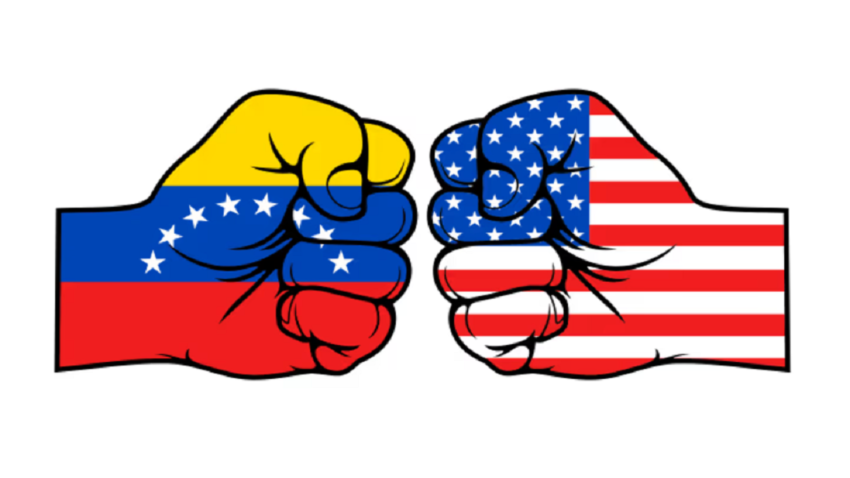
In early 2026, the long-simmering conflict between the United States and Venezuela suddenly escalated from economic pressure and diplomatic standoffs into one of the most controversial moments in recent Western Hemisphere geopolitics. This crisis — rooted in decades of historical tension, economic collapse, political rivalry, and strategic resource contention — has reshaped global energy discourse, triggered legal debates about sovereignty and international law, and intensified humanitarian challenges.
Origins: A Deep Rooted Geopolitical Struggle
To understand the crisis in 2026, we must rewind to the origins of the Venezuela crisis itself. For more than a decade, Venezuela has endured profound socioeconomic turmoil: hyperinflation, systemic corruption, collapsed public services, and one of the largest displacement crises in the world, with millions fleeing the country seeking refuge abroad.
The backbone of Venezuela’s economy has long been oil — it holds the world’s largest proven reserves. But political instability and mismanaged energy infrastructure drastically cut production and export capacity over the last 15 years. As a result, Venezuela became increasingly dependent on external trade and debt, especially with countries like China and Russia.
Sanctions and Economic Pressure
The United States has been deeply involved in Venezuelan affairs for years, especially through economic sanctions. Sanctions escalated dramatically after disputed elections in 2019 and were expanded to target Venezuelan government officials, military leaders, and major sectors like oil, banking, mining, and gold. These measures aimed to pressure President Nicolás Maduro to relinquish power and hold democratic elections.
Sanctions included freezing Venezuelan assets in the U.S., banning Venezuelan debt purchases, and effectively cutting Caracas off from major export markets. Over time, these sanctions helped snuff out Venezuela’s ability to generate foreign income, worsened domestic shortages, and pushed Caracas closer to allies like Russia and China.
Military Escalation in Late 2025
The stand-off shifted from the economic to the tactical in mid-2025 with a series of U.S. military operations dubbed Operation Southern Spear. Beginning with U.S. strikes against vessels alleged to be involved in narcotics and smuggling in Caribbean waters, U.S. naval forces expanded their footprint around Venezuelan coastal areas. American authorities also seized multiple oil tankers suspected of transporting sanctioned Venezuelan crude — a direct disruption to Venezuela’s lifeblood export.
By December 2025, this naval pressure evolved into a blockade of Venezuelan oil shipments, which critics argued was tantamount to strangling Venezuela’s economy. Think of this as an economic chokehold: oil revenues were blocked from reaching buyers, and foreign companies — already wary of sanctions — pulled back operations entirely.
The January 2026 Intervention
The pivotal moment came on January 3, 2026 when U.S. special operations forces conducted a raid on Caracas, capturing Venezuelan President Nicolás Maduro and his wife, Cilia Flores. The U.S. administration labeled the action a law-enforcement and narco-terrorism operation, intending to bring Maduro to trial in the United States for alleged drug trafficking and related crimes. What Washington called a “justice mission,” Caracas — and many global critics — branded an illegal military aggression and kidnapping of a sovereign head of state.
Reportedly, dozens of Venezuelan security forces and allied Cuban military personnel were killed in the mission, drawing international condemnation and raising serious questions about the legality and ethics of the U.S. action.
Political Claims & International Debate
Inside the U.S., the Trump administration defended the intervention as necessary “to restore democracy, combat narcotics networks, and secure critical energy interests.” President Trump made headlines for asserting U.S. control over Venezuelan oil resources and even hinted at restructuring how Venezuelan energy assets would be managed — including possible sales to the U.S. and allies.
Internationally, the response was polarizing. Some nations and global South leaders criticized Washington for overreach and unilateralism — violating the UN Charter’s prohibition on force against sovereign states — while others called for restraint and dialog. Debates around whether the intervention violated international law have dominated diplomatic forums and sparked calls for broader reform in how global conflicts are addressed.
Economic and Humanitarian Impacts
Economically, Venezuela’s already fragile condition worsened. A blockaded oil sector meant fewer dollars entering the state coffers, accelerating shortages of medicine, food, and essential imports. Inflation, already devastating, climbed even higher as market confidence evaporated. Millions of Venezuelans — already part of one of the largest refugee outflows in the world — faced deteriorating conditions at home while displacement pressures surged on borders and in neighboring countries.
Interestingly, despite tensions, a temporary deal emerged in early 2026 for the U.S. to purchase up to $2 billion worth of Venezuelan crude — a gesture seen as an attempt to stabilize markets and ease some pressure on Caracas’ finances. However, this deal came amid intense scrutiny about who truly benefits and the geopolitical leverage such an arrangement granted Washington.
Regional and Global Fallout
The aftermath of this crisis has rippled far beyond Venezuela’s borders:
- Latin American Diplomacy: Countries across the region are split on how to respond, with some condemning U.S. action as imperialistic and others welcoming a move away from Maduro’s authoritarianism.
- Oil Markets: Venezuela’s status as a major oil producer remains a key issue for global energy markets, especially as prices fluctuate and debates over fossil fuels collide with climate policy concerns.
- Refugee Flows: The U.S. remains a major destination for Venezuelan migrants and asylum seekers, but shifting immigration policies and legal protections continue to complicate resettlement efforts.
- International Law: Legal scholars and human rights advocates argue this episode will become a landmark case in how nations justify military intervention under the guise of law enforcement or anti-narco-terrorism.
Also Read : AI-Enhanced Microlearning: The Future of Fast, Smart, and Personalized Learning
Looking Ahead
As of 2026, the situation remains fluid. Maduro’s removal set off chain reactions in domestic Venezuelan politics, regional alliances, and global strategic alignments. Some analysts suggest this could embolden the U.S. to adopt more direct interventions elsewhere, while critics warn it undermines the foundations of sovereign equality and global governance.
The crisis also underscores how resource politics, ideological conflict, and humanitarian struggles can collide in the 21st century — raising difficult questions about intervention, sovereignty, and justice.
Table of Contents
VenezuelaCrisis #USVenezuela #MaduroArrest #OilBlockade #Sanctions2026 #GlobalPolitics #InternationalLaw #EnergySecurity #LatinAmerica #USForeignPolicy #RefugeeCrisis #TrumpAdmin #Geopolitics #HumanRights
BreakingNews #WorldUpdate #OilWar #CrisisExplained #GlobalConflict #HumanitarianCrisis #PoliticalAnalysis #MilitaryAction #ViralBlog #TrendingTopic #InDepthReport